
Expert Picks For Siding Service Equipment And Accessories
Identify the key products that help contractors achieve precision and quality in siding installation and maintenance.
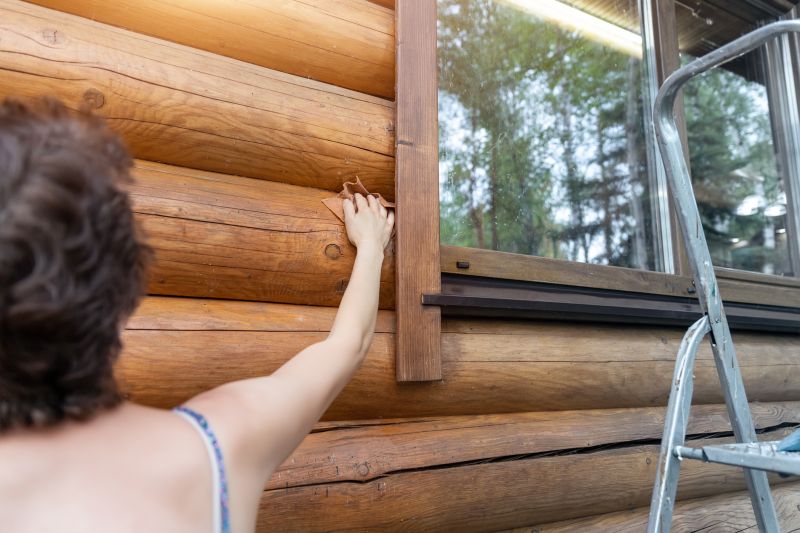 In Arlington, MA, maintaining the integrity and appearance of building exteriors often involves effective siding services. Selecting the right products is essential for achieving durable, aesthetically pleasing, and weather-resistant results. From traditional sidings like vinyl and wood to modern options such as fiber cement and composite materials, there is a wide array of products suited to various needs and preferences. Proper installation and high-quality materials can significantly extend the lifespan of a building’s exterior, reduce maintenance requirements, and enhance curb appeal.
Top Overall Option
Fiber Cement Siding
Fiber cement siding is a highly versatile material known for its durability and resistance to pests, rot, and weather elements. It can mimic the appearance of wood, stucco, or masonry, offering a wide range of aesthetic options. Its low maintenance requirements and ability to withstand harsh conditions make it a popular choice for many exterior siding projects. Proper installation is key to maximizing its benefits, and it is suitable for both new constructions and renovations in Arlington, MA.
Types of Products For Siding Service
Vinyl Siding
Vinyl siding is a cost-effective, low-maintenance option available in many colors and styles, suitable for various architectural designs.
Wood Siding
Wood siding offers a natural appearance and can be customized with stains and paints, though it requires regular upkeep.
Fiber Cement Siding
A durable, low-maintenance material that mimics traditional materials and withstands harsh weather conditions.
Metal Siding
Metal siding provides a modern look and excellent resistance to pests and fire, suitable for industrial or contemporary styles.
Stucco Siding
Stucco offers a textured finish with good durability and insulation properties, often used in Mediterranean or Spanish-style architecture.
Composite Siding
Composite materials combine various elements to create durable, weather-resistant siding options with diverse appearances.
Brick Veneer
Brick veneer adds classic appeal and durability, often used as an exterior finish for a timeless look.
Stone Veneer
Stone veneer provides a natural, rugged aesthetic and is suitable for accent walls or entire facades.
Engineered Wood Siding
Engineered wood offers the appearance of traditional wood with enhanced resistance to pests and moisture.
Insulated Siding Panels
These panels combine siding with insulation, improving energy efficiency and providing a seamless exterior.
PVC Siding
PVC siding is lightweight, resistant to moisture, and available in various colors and textures.
Aluminum Siding
Aluminum siding is durable and resistant to corrosion, suitable for various architectural styles.
Popular Choices
A widely used siding option appreciated for its affordability and low maintenance.
Known for its durability and versatility, often chosen for its weather resistance.
Preferred for its natural look and customizable finishes, despite requiring more upkeep.
Chosen for its modern aesthetic and resilience, especially in industrial or contemporary designs.
Popular for its textured appearance and suitability for certain architectural styles.
A favored alternative to traditional wood, offering similar aesthetics with enhanced durability.
A classic choice that provides timeless appeal and structural durability.
Valued for combining various materials to achieve durable and attractive exteriors.
Increasing in popularity for energy-efficient home improvements.
Recognized for its resistance to moisture and ease of installation.
When considering products for siding services, it is important to evaluate factors such as material durability, ease of installation, resistance to local weather conditions, and overall aesthetic compatibility with the building design. For homeowners and contractors in Arlington, choosing the right siding products involves balancing cost, longevity, and appearance. Investing in quality materials can lead to more satisfactory results and potentially lower long-term maintenance costs.
This guide explores the range of available siding products, highlighting their features and typical applications. Whether updating an existing structure or constructing a new building, understanding the diverse product options can help inform better purchasing decisions. It is advisable to consult with local experts to ensure selected materials meet the specific demands of the Arlington climate and architectural style, ultimately leading to a successful siding project that enhances the property's value and appearance.
Key Buying Considerations
- Climate suitability: Ensure the siding material can withstand local weather conditions including humidity, snow, and temperature fluctuations.
- Durability and longevity: Consider the expected lifespan and resistance to pests, rot, and corrosion.
- Maintenance requirements: Evaluate how much upkeep is needed to keep the siding looking its best over time.
- Aesthetic options: Choose a product that complements the architectural style and personal preferences.
- Installation complexity: Determine whether professional installation is recommended or if DIY is feasible.
- Cost and budget: Balance initial costs with long-term durability and maintenance expenses.
- Energy efficiency: Some siding options offer better insulation properties, contributing to energy savings.
- Environmental resistance: Consider resistance to mold, mildew, and UV damage.
- Availability and supply: Check local availability to avoid delays and ensure timely project completion.
- Compatibility with existing structures: Confirm that the siding can be integrated with current building components.
- Warranty and support: Review manufacturer warranties and customer support options.
- Environmental factors: Avoid materials susceptible to local pests or moisture issues.
- Architectural compatibility: Match the siding style with the overall building design for cohesive aesthetics.
- Resale value: Consider how the siding choice may impact property value in the future.
- Regulatory compliance: Ensure the product meets local building codes and regulations.
This page contains affiliate links. We may earn a commission from qualifying purchases to support our content creation.